Asmaul Husna PDF: A Comprehensive Guide
Discover peaceful, intimate lodging in Poitiers, France, with free WiFi and quality bedding; explore options like Le Clos Notre Dame and La Maison de la Liberté․
What are Asmaul Husna?
Asmaul Husna, beautifully translated as “The Most Beautiful Names,” represents the 99 names of Allah (God) revealed in the Quran and Sunnah․ These names aren’t merely labels; they embody the attributes and perfections of the Divine․ Understanding these names is central to deepening one’s relationship with Allah and comprehending His boundless power and mercy․
Finding resources like Asmaul Husna PDFs allows believers to study these names in detail․ These PDFs often include the Arabic script, transliteration for pronunciation, and detailed explanations of each name’s significance․ Many accommodations in Poitiers, like charming chambres d’hôtes, offer a peaceful environment conducive to such spiritual study․
Exploring these names isn’t just an academic exercise; it’s a pathway to spiritual growth․ Whether you’re seeking a comfortable stay at Le Clos des Moulins or delving into the meanings of Allah’s names, the pursuit of knowledge and connection is paramount․
The Significance of Asmaul Husna in Islam
In Islam, reciting and reflecting upon the Asmaul Husna holds immense spiritual significance․ It’s believed to foster a deeper connection with Allah, increase faith (Iman), and cultivate a heightened awareness of His presence in all aspects of life․ These names aren’t simply words; they are gateways to understanding the Divine attributes․
Accessing Asmaul Husna PDFs provides a convenient way to learn and internalize these names․ Just as finding comfortable lodging like a chambre d’hôte in Poitiers enhances a journey, these resources enrich one’s spiritual path․ The names remind believers of Allah’s compassion, justice, and wisdom․
Furthermore, understanding the Asmaul Husna is considered a form of worship itself․ It’s a means of acknowledging and glorifying Allah, and seeking His blessings․ Like the serene atmosphere of Le Clos Notre Dame, contemplation of these names brings inner peace and tranquility․
Understanding the 99 Names of Allah
Each of the 99 Names (Asmaul Husna) reveals a specific attribute or quality of Allah․ These names aren’t arbitrary; they represent the perfection and uniqueness of the Divine․ Asmaul Husna PDFs often provide detailed explanations, aiding comprehension․
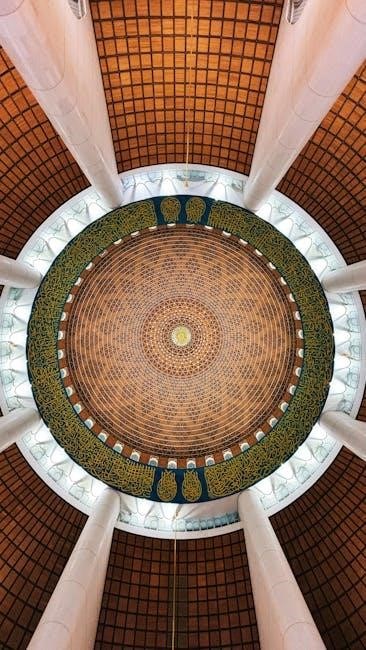
For example, Ar-Rahman signifies Allah’s boundless mercy, while Al-Malik denotes His absolute sovereignty․ Studying these names, much like exploring the charming lodgings of Poitiers – La Maison de Marc or Les Glycines – unveils layers of beauty and meaning․
PDF resources typically include the Arabic name, transliteration for pronunciation, and a comprehensive explanation of its significance․ Understanding the nuances of each name allows believers to appreciate the multifaceted nature of Allah․ This knowledge fosters a deeper connection and strengthens faith, offering spiritual enrichment akin to a peaceful retreat․
Sources for Asmaul Husna PDFs
Explore online resources like websites, mobile apps, and digital archives to find Asmaul Husna PDFs, mirroring Poitiers’ B&B options – GreenGo and Tripadvisor․
Reliable Websites Offering Free PDFs
Finding authentic Asmaul Husna PDFs requires careful source evaluation, much like selecting a quality chambre d’hôtes in Poitiers․ Several websites dedicate themselves to Islamic resources and offer downloadable PDFs of the 99 Names of Allah․ These platforms often provide content in multiple languages, catering to a global audience seeking spiritual enrichment․

Look for websites affiliated with reputable Islamic scholars or institutions․ These sources generally prioritize accuracy and adherence to traditional Islamic teachings․ Be cautious of websites with unclear origins or those promoting unconventional interpretations․ Prioritize sites that offer not only the names but also detailed explanations, transliterations, and benefits associated with each name․
Consider exploring digital libraries and online archives specializing in Islamic literature․ These resources may contain scanned copies of classical texts that include the Asmaul Husna․ Remember to verify the authenticity of the source and the accuracy of the transcription․ Just as travelers research Poitiers accommodations like Le Clos des Moulins, diligent research is key to finding trustworthy PDFs․
Popular Mobile Applications with Asmaul Husna Content
Similar to finding the perfect chambre d’hôtes in Poitiers via mobile booking apps, numerous applications offer convenient access to the Asmaul Husna․ These apps often go beyond simple PDF downloads, providing interactive features and audio recitations to enhance the learning experience;
Many applications include detailed explanations of each name, their meanings, and associated benefits, mirroring the comprehensive content found in well-crafted PDFs․ Some apps offer daily reminders for dhikr (remembrance) using specific names, fostering a consistent spiritual practice․ User-friendly interfaces and search functionalities make navigating the 99 names effortless․
Explore app stores using keywords like “Asmaul Husna,” “99 Names of Allah,” or “Islamic Names․” Read user reviews and check app ratings to gauge reliability and content quality․ Just as travelers compare options for lodging at places like La Maison de Marc, compare app features before downloading․ Offline access is a valuable feature, allowing recitation even without an internet connection․
Online Libraries and Digital Archives
Just as one might research charming chambres d’hôtes like Le Clos des Moulins online, numerous digital resources host Asmaul Husna PDFs․ These platforms offer a diverse range of materials, from simple text-based documents to beautifully illustrated guides․
Internet Archive and similar digital libraries often contain scanned copies of older Islamic texts, potentially including historical interpretations of the 99 names․ University libraries with digitized collections may also hold relevant resources․ Be mindful of copyright restrictions when accessing and downloading materials․
Several websites dedicated to Islamic studies and spirituality curate collections of downloadable PDFs․ Always verify the authenticity and source of any PDF before relying on its content, similar to checking reviews for lodging options in Poitiers․ Look for PDFs from reputable scholars or organizations․ Careful selection ensures access to accurate and reliable information regarding the Asmaul Husna․

Content Typically Found in Asmaul Husna PDFs
Explore comfortable lodging options in Poitiers, featuring equipped kitchens and private parking, mirroring the detailed content within Asmaul Husna PDFs․
Arabic Names and Transliteration
Asmaul Husna PDFs prominently feature the 99 names of Allah in their original Arabic script․ This is fundamental, providing the authentic textual representation for study and recitation․ Crucially, these PDFs also include careful transliteration – converting the Arabic letters into a Roman script understandable to non-Arabic speakers․
The quality of transliteration varies; reliable PDFs prioritize accuracy, employing established scholarly conventions to represent Arabic sounds faithfully․ Different systems exist, but consistency within a single PDF is paramount․ You’ll often find diacritical marks (harakat) included to aid pronunciation, though these are sometimes omitted for simplicity․
Beyond the names themselves, PDFs often present variations in spelling or slight differences in how names are traditionally written, acknowledging the nuances of Arabic calligraphy and historical usage․ Understanding both the Arabic and the transliteration is key to appreciating the depth of each name’s meaning and significance, mirroring the detailed lodging descriptions found in Poitiers, France․
Meaning and Explanation of Each Name
Asmaul Husna PDFs dedicate significant space to explaining the profound meaning behind each of the 99 names of Allah․ These aren’t simple dictionary definitions; rather, they offer detailed interpretations rooted in Islamic theology and tradition․ Explanations often explore the etymology of the Arabic name, tracing its linguistic origins to reveal deeper layers of understanding․
Good PDFs connect each name to relevant Quranic verses and Hadith (sayings and actions of Prophet Muhammad), providing scriptural evidence for its significance․ They illustrate how each attribute manifests in Allah’s creation and actions, linking divine qualities to observable reality․ Like finding the perfect chambre d’hôtes in Poitiers, understanding requires careful exploration;
Furthermore, these explanations often discuss the implications of each name for a believer’s life, encouraging reflection on how to embody those qualities in one’s own character․ The best resources avoid overly simplistic interpretations, acknowledging the multifaceted nature of divine attributes․
Benefits of Reciting Specific Names
Asmaul Husna PDFs frequently detail the purported benefits of reciting specific names of Allah, often linking them to particular needs or challenges․ This practice, rooted in Islamic tradition, suggests that focused remembrance (dhikr) of certain names can invoke divine assistance․ For example, reciting Ar-Rahman (The Most Compassionate) is believed to foster mercy and kindness․
These PDFs often present anecdotal evidence and interpretations from Islamic scholars regarding the efficacy of reciting names for healing, protection, or fulfillment of desires – much like seeking a comfortable stay at Le Clos des Moulins in Poitiers․ However, it’s crucial to understand these benefits are viewed as blessings from Allah, not magical formulas․
Authentic resources emphasize that sincere intention and devotion are paramount, and recitation should always be accompanied by a conscious effort to embody the qualities represented by the name․ The focus remains on strengthening one’s connection with Allah, not merely seeking worldly gains․

Using Asmaul Husna PDFs for Spiritual Growth
Explore Poitiers’ charming chambres d’hôtes, like Les Glycines, for peaceful reflection; PDFs aid daily dhikr, prayer, and seeking divine help through Du’a․
Daily Dhikr (Remembrance) Practices
Integrating Asmaul Husna PDFs into daily dhikr (remembrance of Allah) significantly enhances spiritual connection․ Utilizing a PDF allows for focused recitation of the 99 names, fostering a deeper understanding of Allah’s attributes․ Begin each day by selecting a few names from the PDF, reflecting on their meanings, and reciting them repeatedly․
Consider dedicating specific times throughout the day – after prayers, during commutes, or before sleep – to this practice․ The illustrated PDFs, with explanatory notes, can be particularly helpful in understanding the nuances of each name․
Many find benefit in reciting the names while using prayer beads (tasbih), further concentrating the mind․ The peaceful ambiance of chambres d’hôtes in Poitiers, as mentioned in lodging options, can also inspire a conducive environment for focused remembrance․ Consistent practice, guided by a well-chosen Asmaul Husna PDF, cultivates a stronger relationship with the Divine and promotes inner peace․
Incorporating Asmaul Husna into Prayers (Salah)
Enhance your Salah (prayers) by reflecting on the Asmaul Husna, utilizing a PDF for focused contemplation․ While direct recitation of the names during prayer isn’t a standard practice, understanding their meanings deepens the sincerity and humility within your supplications․ Before commencing Salah, select a few names from your Asmaul Husna PDF that resonate with the intention of your prayer․
For example, if seeking guidance, contemplate Al-Hadi (The Guide)․ During prostration (sujud), reflect on Al-Khaliq (The Creator), acknowledging Allah’s power․
The tranquility found in places like the chambres d’hôtes of Poitiers can inspire a similar state of peaceful focus before prayer․ Illustrated PDFs, offering explanatory notes, aid in grasping the depth of each name․ Post-prayer, continue reciting the names as a form of gratitude and remembrance, solidifying the connection fostered during Salah․ This mindful integration elevates the spiritual quality of your prayers․
Utilizing Asmaul Husna for Seeking Help (Du’a)
Leverage the power of Du’a (supplication) by incorporating the Asmaul Husna, guided by a comprehensive PDF resource․ When facing difficulties, identify the Divine Name most relevant to your need․ For healing, invoke Al-Shafi (The Healer), understanding its meaning through your PDF’s explanations․ If seeking provision, focus on Ar-Razzaq (The Provider)․
The peaceful ambiance of accommodations like those found in Poitiers – Le Clos des Moulins, for instance – can inspire focused Du’a․ A text-based PDF allows for quick reference during moments of need, while illustrated versions deepen understanding․
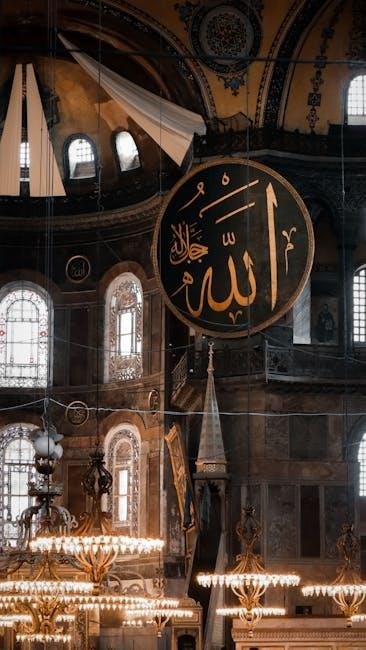
Recite the name repeatedly, followed by your specific request, acknowledging Allah’s attribute․ Remember, Du’a isn’t merely asking; it’s a heartfelt connection․ Utilize audio recitations from your PDF to enhance pronunciation and contemplation, strengthening your faith and reliance on Allah’s boundless mercy․

Different Formats of Asmaul Husna PDFs
Explore diverse PDF options, from simple texts to illustrated guides with notes, and even versions featuring audio recitations – like charming Poitiers lodgings!
Simple Text-Based PDFs
These PDFs represent the most straightforward approach to accessing the Asmaul Husna․ Typically, they contain a list of the 99 names of Allah in Arabic script, followed by a basic transliteration into the Roman alphabet․ Explanations are often minimal or absent, focusing purely on presenting the names themselves․
The advantage of this format lies in its accessibility and small file size, making it easy to download and view on any device․ They are ideal for those already familiar with the meanings and benefits associated with each name, or for individuals who prefer a concise and uncluttered presentation․
Think of it like finding a cozy chambre d’hôtes in Poitiers – simple, functional, and providing the essentials․ While lacking elaborate decoration, it offers a direct and unadorned experience․ These PDFs are often used as a foundation for further study or as a quick reference during daily dhikr (remembrance) practices․ They prioritize clarity and ease of use above all else, mirroring the straightforward charm of a traditional French guesthouse․
Illustrated PDFs with Explanatory Notes
These Asmaul Husna PDFs elevate the experience beyond a simple list, incorporating visual elements and detailed explanations․ Expect to find the Arabic names alongside transliterations, but crucially, also extensive interpretations of each name’s meaning, significance, and connection to Allah’s attributes․ Illustrations, though varying in style, often accompany the names, enhancing understanding and memorization․
Consider them akin to discovering a charming chambre d’hôtes like Le Clos des Moulins in Poitiers – offering not just a place to stay, but a rich, immersive experience․ These PDFs delve into the spiritual benefits of reciting specific names, providing guidance for incorporating them into du’a (supplication) and daily life․
The explanatory notes often draw upon Islamic scholarship, offering nuanced perspectives․ They are ideal for those seeking a deeper understanding of the Asmaul Husna and their role in fostering a closer connection with the Divine, much like exploring the historical charm of Poitiers itself․
PDFs with Audio Recitations
These Asmaul Husna PDFs represent a powerful learning tool, combining visual text with the beauty of spoken Arabic․ They typically include the Arabic script, transliteration, and translation of each of the 99 names, alongside an accompanying audio recitation by a qualified reciter․ This allows users to learn the correct pronunciation – crucial for effective dhikr (remembrance)․
Imagine experiencing the serenity of a peaceful chambre d’hôtes in Poitiers, like those offering a tranquil escape – these PDFs offer a similar auditory sanctuary․ The audio component aids memorization and fosters a deeper connection with the spiritual meaning of each name․
Often, these PDFs are structured for ease of use, allowing users to listen to each name individually or as a continuous recitation․ They are particularly beneficial for those who are not fluent in Arabic, providing a valuable resource for learning and spiritual growth, mirroring the immersive experience of discovering Poitiers’ hidden gems․

Choosing the Right Asmaul Husna PDF
Select a PDF offering authentic content, clear translations, and user-friendly access, much like finding the perfect chambre d’hôtes in Poitiers for a serene stay․
Authenticity and Source Verification
When selecting an Asmaul Husna PDF, prioritizing authenticity is paramount․ Just as travelers carefully choose chambres d’hôtes in Poitiers based on reviews and reputation – like Le Clos des Moulins or La Maison de Marc – verifying the PDF’s source is crucial․ Look for PDFs originating from reputable Islamic scholars or well-established institutions known for their theological accuracy․
Beware of PDFs from unknown or questionable sources, as misinterpretations or inaccuracies can distort the profound meanings of Allah’s names․ Cross-reference information with multiple trusted sources․ Consider whether the PDF aligns with mainstream Islamic understanding․ A reliable PDF will often cite its sources and provide a clear lineage of its content․ Think of it like ensuring a Poitiers B&B, such as those listed on Tripadvisor, has verifiable credentials and positive guest feedback․
Ultimately, a trustworthy Asmaul Husna PDF will empower your spiritual journey with genuine knowledge, mirroring the peaceful and authentic experience offered by quality lodging options in France․

Clarity of Translation and Explanation
A superior Asmaul Husna PDF doesn’t merely present the Arabic names; it offers lucid translations and insightful explanations․ Much like choosing a chambre d’hôte in Poitiers with detailed descriptions – such as the suites at Le Clos Notre Dame – clarity is essential․ The translation should accurately convey the nuance of each name, avoiding literal interpretations that might obscure its deeper meaning․
Explanatory notes should illuminate the attributes of Allah reflected in each name, connecting them to real-world manifestations and spiritual benefits․ A good PDF will avoid overly complex jargon, making the content accessible to both beginners and advanced learners․ Consider how a well-written description of a Poitiers B&B, like those found on GreenGo, clearly outlines its amenities and charm․
The goal is to foster a profound understanding of Allah’s attributes, enabling a more meaningful connection through remembrance (Dhikr)․ A clear and well-explained PDF serves as a valuable tool for spiritual growth, just as comfortable lodging enhances a travel experience․
User-Friendliness and Accessibility
An ideal Asmaul Husna PDF prioritizes ease of use, mirroring the convenience of finding a well-organized list of chambres d’hôtes in Poitiers, like those detailed on Tripadvisor․ Navigation should be intuitive, allowing users to quickly locate specific names or browse sequentially․ A clear table of contents and internal links are crucial features․
Accessibility extends beyond simple navigation․ The PDF should be compatible with various devices – smartphones, tablets, and computers – and screen readers for visually impaired users․ Font sizes should be adjustable, and the layout should be clean and uncluttered, avoiding distracting graphics or excessive formatting․
Just as a comfortable B&B, such as Le Clos des Moulins, offers a welcoming experience, a user-friendly PDF encourages consistent engagement with the 99 names․ A searchable PDF format is also highly beneficial, allowing users to quickly find specific names or related concepts, enhancing the overall learning experience․