Rip Curl Wetsuit Size Guide: A Comprehensive Overview (Updated 03/24/2026)
Navigating Rip Curl wetsuit sizing requires careful attention to measurements and style variations, ensuring optimal fit and performance for every water adventure.
Understanding Rip Curl Wetsuit Sizing
Rip Curl wetsuit sizing isn’t one-size-fits-all; it’s a nuanced process demanding precise body measurements. Factors like chest, waist, height, and even intended wetsuit style (fullsuit, shorty) significantly impact the correct size. Understanding these elements is crucial for comfort and functionality.
Rip Curl offers distinct size charts for men, women, and children, acknowledging anatomical differences. Accurate measurements, taken with a flexible tape measure, are the foundation of a successful fit. Ignoring these details can lead to restricted movement or water flushing.
Why Accurate Sizing Matters
Proper wetsuit sizing is paramount for performance, safety, and overall enjoyment in the water. A correctly sized wetsuit maximizes thermal protection, minimizing heat loss and extending your session. Ill-fitting suits restrict movement, hindering paddling and surfing ability.
Too-tight wetsuits cause discomfort and chafing, while loose suits allow water to flush, reducing warmth and increasing drag. Accurate sizing ensures a snug, yet flexible fit, optimizing buoyancy and streamlining your profile.

Rip Curl Size Charts: Men’s
Rip Curl’s men’s wetsuit sizing centers around chest and waist measurements, alongside height considerations. Refer to the official Rip Curl size chart, noting that sizes typically range from XS to XXL. Accurate chest and waist measurements are crucial; use a flexible tape measure.
Height serves as a secondary guide, especially between sizes. Don’t simply rely on your usual clothing size, as wetsuit sizing differs. Prioritize a snug fit without restricting movement.
Chest and Waist Measurements
To determine your chest measurement, wrap a tape measure around the fullest part of your chest, keeping it level. Exhale normally during measurement. For waist measurement, find your natural waistline – typically the narrowest part of your torso.
Ensure the tape measure is snug but not tight. Record both measurements in inches or centimeters. These figures are the foundation for selecting the correct Rip Curl wetsuit size, cross-referencing with their official charts.
Height Considerations for Men
Height plays a crucial role in Rip Curl wetsuit sizing for men, especially when chest and waist measurements fall between sizes. Taller individuals may need to size up to ensure adequate length in the arms and legs, preventing restriction during paddling and movement.
Conversely, shorter men might benefit from sizing down. Always consult the Rip Curl size chart, considering both height and body measurements for the best possible fit and comfort in the water.
Rip Curl Size Charts: Women’s
Rip Curl’s women’s wetsuit size charts differ from men’s, focusing on bust, waist, and hip measurements for a contoured fit. Accurate measurements are vital, as women’s wetsuits are designed to accommodate feminine curves.
Refer to the official Rip Curl website or authorized retailers for the most up-to-date charts. Don’t solely rely on standard clothing sizes; always measure yourself and compare to the specific Rip Curl guidelines for optimal performance and comfort.
Bust, Waist, and Hip Measurements
For women’s Rip Curl wetsuits, accurate bust, waist, and hip measurements are crucial. Use a flexible tape measure and wear minimal clothing. The bust measurement should be taken at the fullest part of your chest, keeping the tape level.
Waist measurement goes around the natural waistline, while hips are measured at the fullest point. Record these measurements carefully and consult Rip Curl’s size chart to find your perfect fit, ensuring unrestricted movement.
Height Considerations for Women
Women’s Rip Curl wetsuit sizing doesn’t solely rely on bust, waist, and hip measurements; height plays a significant role. If your measurements fall between sizes, consider your height. Taller individuals might need to size up to ensure adequate torso and sleeve length, preventing constriction.
Conversely, shorter women may benefit from sizing down. Prioritize a comfortable, full range of motion, and always cross-reference with the official Rip Curl size chart for optimal results;
Rip Curl Size Charts: Kids
Rip Curl’s kids’ wetsuit sizing differs from adult charts, focusing on age and weight as primary indicators. These charts provide a starting point, but individual variations exist. Regularly check the official Rip Curl website or authorized retailers for the most current charts.
Accurate weight and age are crucial for initial selection, but remember to account for growth spurts. Prioritize a snug, yet comfortable fit, allowing for freedom of movement during water activities.

Age and Weight Based Sizing
Rip Curl utilizes age and weight to establish initial sizing recommendations for children’s wetsuits. Charts typically categorize kids into age ranges (e.g., 2-4, 6-8, 10-12) and corresponding weight brackets. However, these are guidelines; a child’s build significantly impacts the fit.
Always cross-reference with height measurements. If a child falls between sizes, consider the growth allowance and prioritize comfort to ensure unrestricted movement in the water.
Growth Allowance for Children’s Wetsuits
Children grow rapidly, necessitating a growth allowance when selecting wetsuits. Rip Curl recommends sizing up, particularly for younger children, to accommodate future growth spurts. A slightly looser fit is preferable to a constricting one, hindering movement and comfort.
Consider adding 1-2 sizes to the initial measurement, but avoid excessive looseness, which compromises warmth and performance. Regularly check the fit as your child grows.
Wetsuit Thickness and Sizing
Wetsuit thickness significantly impacts fit and flexibility. Thicker wetsuits (5/4mm) offer superior warmth but can feel more restrictive, potentially requiring a slightly looser fit than thinner options (3/2mm). The increased bulk of thicker neoprene demands careful consideration during sizing.
Choosing the right thickness depends on water temperature; colder waters necessitate thicker suits, while warmer waters allow for thinner, more flexible options.
Impact of Thickness on Fit
Wetsuit thickness directly influences how a suit fits and performs. Thicker neoprene, commonly found in 5/4mm suits, provides greater insulation but reduces flexibility, potentially leading to a tighter, less comfortable fit if sized incorrectly. Conversely, thinner 3/2mm suits offer enhanced mobility.
A snug fit is crucial for optimal warmth, but excessive tightness restricts movement; consider a slightly looser fit for thicker suits to maintain comfort and range of motion.
Choosing the Right Thickness for Water Temperature
Selecting the appropriate wetsuit thickness is vital for comfort and safety. Water temperature dictates the necessary neoprene thickness; colder waters demand thicker suits. Generally, 5/4mm suits are ideal for water temperatures between 50-60°F (10-15°C), while 3/2mm suits suit temperatures between 60-70°F (15-21°C).
For warmer waters above 70°F (21°C), a 2mm or even a spring suit might suffice. Prioritize thermal protection based on your sensitivity and activity level.
Rip Curl Wetsuit Styles and Fit
Rip Curl offers diverse wetsuit styles, each influencing fit. Fullsuits provide complete thermal protection, demanding a snug fit to minimize water flushing. Shortys, with shorter arms and legs, offer more freedom but less warmth.
Flashbomb suits prioritize warmth with premium neoprene and sealed seams, often fitting tighter. Dawn Patrol suits balance warmth and flexibility, offering a more relaxed fit. Consider your activity and water temperature when selecting a style;
Fullsuits vs. Shortys: Sizing Differences

Fullsuits require a precise fit across the entire body, minimizing water entry for maximum warmth. A snug, but not restrictive, fit is crucial. Shortys, exposing arms and legs, are generally more forgiving in sizing.
Slightly looser fits are acceptable, prioritizing range of motion. However, avoid excessive looseness, which can lead to flushing and reduced thermal efficiency. Always prioritize a secure chest and waist fit for both styles.
Flashbomb vs. Dawn Patrol: Fit Variations
Rip Curl’s Flashbomb series, known for its premium stretch and warmth, typically offers a more anatomical, performance-oriented fit. Expect a snug, body-hugging feel maximizing flexibility. The Dawn Patrol range, designed for everyday surfing, generally provides a more relaxed and forgiving fit.
This allows for greater comfort and ease of movement, though potentially sacrificing some thermal efficiency. Consider your priority – performance or comfort – when selecting your size.
Taking Accurate Measurements
Precise measurements are crucial for a well-fitting Rip Curl wetsuit. You’ll need a flexible tape measure and ideally, a helper. Measure your chest at the fullest part, keeping the tape level. For your waist, measure at your natural waistline, not over your hips.
Accurate height is also vital; stand straight against a wall. Record all measurements in inches or centimeters, and refer to Rip Curl’s specific size charts for the best match.
Tools You’ll Need (Tape Measure)
The essential tool for accurate Rip Curl wetsuit sizing is a flexible tape measure. Avoid metal tape measures, as they don’t conform to body contours effectively. A soft, fabric or vinyl tape measure is ideal for capturing precise chest, waist, and height measurements.
Ensure the tape measure is not pulled too tightly or loosely during measurement; a snug, but comfortable fit is key for reliable results. Having a friend assist can improve accuracy!
How to Measure Chest, Waist, and Height
For chest measurement, wrap the tape measure around the fullest part of your chest, keeping it level. Waist measurement requires circling the natural waistline, typically the narrowest part of your torso.
Height should be measured from the top of your head to the soles of your feet, standing straight with shoes off. Record all measurements in inches or centimeters for accurate comparison with Rip Curl’s size charts.
Common Sizing Issues and Solutions

A wetsuit that’s too tight restricts movement and can cause discomfort; stretching exercises might help slightly, but an exchange is often necessary. If too loose, water flushing becomes a problem, reducing warmth. Adjustments like using a rash guard underneath can improve the fit.
Consider checking Rip Curl’s return policy for hassle-free exchanges. Prioritize a snug, but not constricting, fit for optimal performance and thermal protection;
Wetsuit Too Tight: Stretching and Exchange Options
If your Rip Curl wetsuit feels overly restrictive, gentle stretching – focusing on the chest and shoulders – may offer minimal relief. However, significant tightness usually necessitates an exchange.
Check Rip Curl’s return and exchange policy immediately. A properly fitted wetsuit is crucial for comfort and performance. Don’t compromise; a size up often resolves the issue. Prioritize freedom of movement and avoid prolonged discomfort while surfing.
Wetsuit Too Loose: Adjustments and Potential Fixes
A loose-fitting Rip Curl wetsuit compromises warmth and performance. First, ensure all Velcro closures – neck, wrist, and ankle – are fully tightened. If looseness persists, consider a wetsuit rash guard underneath to improve the fit.
For minor adjustments, a tailor might be able to slightly alter the suit, but extensive modifications aren’t recommended. Ultimately, exchanging for a correctly sized wetsuit is the best solution for optimal water experience.
Rip Curl Wetsuit Specific Features Affecting Fit
Rip Curl’s wetsuit construction significantly impacts fit. 3/2mm suits offer greater flexibility, potentially feeling looser than 5/4mm options, which provide more substantial insulation and a snugger fit. Seam construction, like GBS or Flashlining, influences stretch and contouring.
Stretch panels strategically placed in key areas enhance mobility, but can also affect overall sizing perception. Consider these features when selecting your ideal Rip Curl wetsuit.
3/2mm vs 5/4mm Wetsuits and Flexibility
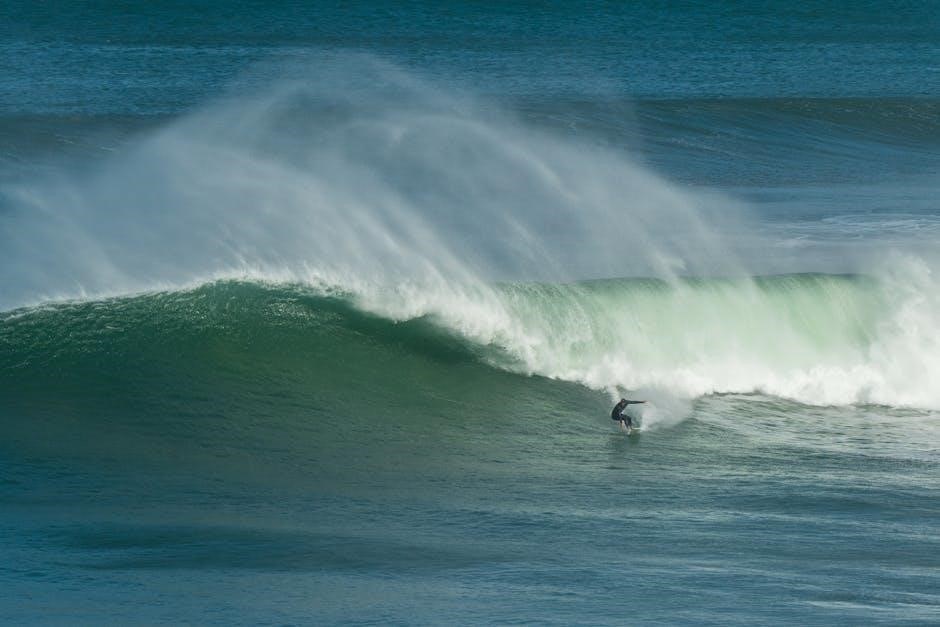
Rip Curl’s 3/2mm wetsuits prioritize flexibility, ideal for warmer waters and maximizing range of motion during surfing. They generally offer a less restrictive fit. Conversely, 5/4mm suits, designed for colder conditions, provide increased warmth but with reduced flexibility.
This thicker neoprene can feel snugger; therefore, some surfers may prefer a slightly looser fit to maintain maneuverability. Consider your primary water temperature and desired level of freedom.
Seam Construction and Stretch Panels
Rip Curl utilizes various seam constructions impacting wetsuit fit and stretch. Glued and Blind Stitched (GBS) seams offer durability with moderate stretch, while Flashlining seams enhance warmth and flexibility. Strategically placed stretch panels – often in the shoulders, knees, and back – maximize range of motion.
These panels can influence how a wetsuit conforms to your body, potentially requiring adjustments during sizing to ensure a comfortable, unrestricted fit.
Comparing Rip Curl Sizing to Other Brands
Rip Curl sizing often runs slightly smaller compared to brands like Billabong and O’Neill. Many users find they need to size up one size when transitioning from these other brands to Rip Curl wetsuits. Billabong tends to have a more relaxed fit, while O’Neill often offers a similar, but sometimes more generous, cut.
Always consult specific size charts and customer reviews when comparing brands for the best fit.
Rip Curl vs. Billabong Sizing
Generally, Rip Curl wetsuits are known to fit a bit more snugly than Billabong’s offerings. Billabong frequently provides a more relaxed and forgiving fit, catering to a broader range of body types. When switching from Billabong to Rip Curl, it’s often recommended to increase your size by one.
Consider your body shape and desired level of compression when choosing between these two popular brands.
Rip Curl vs. O’Neill Sizing
O’Neill wetsuits typically run larger than Rip Curl wetsuits, presenting a key difference for surfers. Many find that O’Neill provides a roomier fit, prioritizing comfort and ease of movement. If you’re accustomed to O’Neill sizing, you might need to size down when transitioning to Rip Curl to achieve a comparable, performance-oriented fit.
Always prioritize accurate measurements to navigate these brand-specific variations effectively.
Rip Curl Wetsuit Materials and Stretch
Rip Curl utilizes various neoprene types, significantly impacting wetsuit fit and flexibility. Standard neoprene offers durability, while superstretch neoprene—like Flashbomb’s—provides exceptional range of motion; This enhanced stretch necessitates a snug fit to maintain thermal efficiency.
The material’s composition directly influences how the wetsuit conforms to your body, affecting both comfort and performance in the water. Consider this when selecting your size.
Neoprene Types and Their Impact on Fit
Rip Curl employs diverse neoprene formulations, each influencing the wetsuit’s fit characteristics. Standard neoprene, known for its robustness, generally allows for a slightly looser fit without compromising performance. However, premium superstretch neoprene—found in models like Flashbomb—demands a precise, snug fit.
Its exceptional elasticity means a less-fitted suit loses insulating properties. Understanding these nuances is crucial for selecting the correct size.
The Role of Superstretch Neoprene
Superstretch neoprene is pivotal in Rip Curl’s high-performance wetsuits, dramatically impacting fit expectations. This advanced material offers unparalleled flexibility and range of motion, but requires a very snug, almost skin-tight fit to function optimally.
A looser superstretch wetsuit will flush with water, reducing warmth. Prioritize a precise measurement and consider sizing down if between sizes, as it will conform to your body with use.
Where to Find Detailed Rip Curl Size Charts
Locating the most current Rip Curl size charts is crucial for accurate selection. The official Rip Curl website provides comprehensive charts categorized by gender and wetsuit style, ensuring a precise fit.
Additionally, many authorized retailer websites also host these charts. Always cross-reference information and prioritize charts directly from Rip Curl or trusted partners to avoid outdated or inaccurate sizing guidance.
Official Rip Curl Website
The Rip Curl website is the primary source for definitive sizing information. Navigate to the wetsuit section and locate the “Size Guide” link, typically found near product descriptions.
Here, you’ll discover detailed charts broken down by men’s, women’s, and kids’ wetsuits, including specific measurements for chest, waist, height, and bust. Regularly check for updates, as sizing can evolve with new designs and materials.
Authorized Retailer Websites
Many authorized Rip Curl retailers also provide size charts on their websites. These charts are generally consistent with the official Rip Curl guide, offering a convenient alternative for comparison shopping.
However, always prioritize the Rip Curl website for the most current and accurate information. Retailer sites may occasionally have outdated charts, so double-check measurements before making a purchase to ensure a perfect fit.
Understanding Rip Curl’s Return and Exchange Policy
Rip Curl generally accepts returns and exchanges on unworn, unwashed wetsuits with original tags attached within a specified timeframe – typically 30 days from the purchase date.
Proof of purchase is essential. Exchanges may depend on stock availability. It’s crucial to review the complete policy on their website, as conditions can vary by region and retailer. Understanding these details prevents issues with returns.
Conditions for Returns and Exchanges

To qualify for a return or exchange, Rip Curl wetsuits must be in original condition – unworn, unwashed, and with all original tags still attached.
The purchase must be accompanied by valid proof of purchase, such as a receipt or order confirmation. Wetsuits exhibiting signs of wear, damage, or alterations are typically ineligible. Final sale items are often non-returnable, so check product details carefully before buying.
How to Initiate a Return or Exchange
To begin a return or exchange, visit the official Rip Curl website and locate the “Returns” or “Exchange” section.
Follow the provided instructions, which usually involve filling out an online form with your order details and reason for return. You’ll likely receive a prepaid shipping label to send the wetsuit back. Ensure proper packaging to prevent damage during transit. Exchanges depend on availability.
Tips for Online Wetsuit Purchases
When buying a Rip Curl wetsuit online, thoroughly read customer reviews specifically mentioning sizing experiences.
These insights can reveal if a particular style runs small or large. Utilize Rip Curl’s online chat support for personalized sizing advice; their representatives can guide you based on your measurements. Compare size charts across different retailers, and double-check the return policy before finalizing your purchase.
Reading Customer Reviews Regarding Sizing
Dive into customer reviews, focusing on comments about fit and sizing accuracy for the specific Rip Curl wetsuit model you’re considering.
Pay attention to reviewers with similar body types to yours. Look for patterns – do multiple people mention it runs small, large, or true to size? Filter reviews by verified purchasers for increased reliability. Note any comments about stretch or compression, as these impact the overall fit.
Utilizing Rip Curl’s Online Chat Support
Rip Curl’s online chat support offers personalized assistance with sizing questions, providing a direct line to knowledgeable representatives.
Prepare your measurements beforehand – chest, waist, height, and any specific fit concerns. Clearly articulate your body type and intended use of the wetsuit. Don’t hesitate to ask about specific models and their unique fits. Save the chat transcript for future reference, should any issues arise post-purchase.