Colombia Travel Guide Book Article Plan
Explore Colombia through curated guidebooks, each offering unique insights into culture, landscapes, and travel logistics. This plan outlines key titles, their 2025 updates, and practical tips for navigating the evolving tourism scene. Discover itineraries, local cuisine guides, and safety tips for every traveler!
Overview of Colombia Travel Guide Books
Colombia’s travel guide landscape has evolved rapidly, with a new wave of expert‑curated titles emerging in 2025 that reflect the country’s dynamic tourism infrastructure, cultural renaissance, and growing emphasis on sustainable travel. These guides range from comprehensive atlases that map every major city and hidden gem, to focused itineraries that spotlight regional specialties such as the coffee highlands, Caribbean coastlines, and the Amazon basin. Each book offers up‑to‑date practical advice on transportation, accommodation, safety, and local etiquette, ensuring travelers can navigate Bogotá’s bustling transit hubs, Medellín’s metro system, and the remote trails of the Sierra Nevada with confidence.
The 2025 editions incorporate recent infrastructure developments—new high‑speed rail links, expanded airport facilities, and upgraded tourist information centers—providing readers with accurate, real‑time data. They also emphasize authentic cultural experiences, encouraging visitors to engage with local communities, sample regional cuisines, and participate in traditional festivals. The guides feature detailed maps, budget breakdowns, and insider tips on where to find the best street food, affordable lodging, and free cultural events.
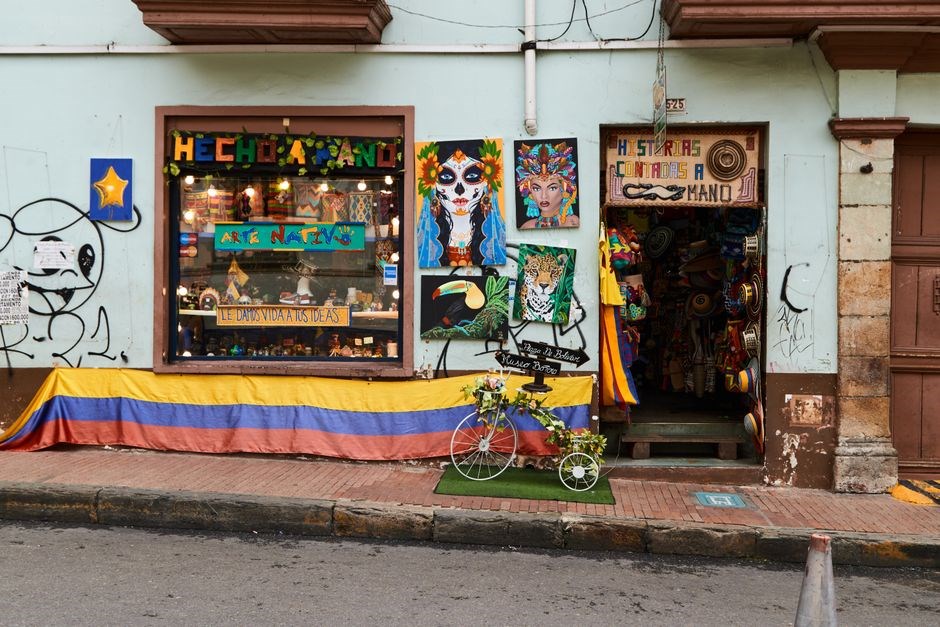
Moreover, the latest editions address sustainability, highlighting eco‑friendly accommodations, responsible wildlife tours, and carbon‑neutral travel options. They include sections on responsible tourism practices, such as supporting local artisans and respecting indigenous territories. By blending practical logistics with immersive cultural narratives, these guidebooks empower travelers to create meaningful, memorable journeys across Colombia’s diverse landscapes.
Readers find a section on digital connectivity, listing top Wi‑Fi spots, local SIM options, and offline maps for remote travel. Each guide also lists must‑visit museums and galleries that highlight Colombia’s vibrant art scene, blending culture with scenic exploration.
Travelers also receive a safety checklist for region daily.
Top 7 Expert-Curated Guides (2025 Edition)
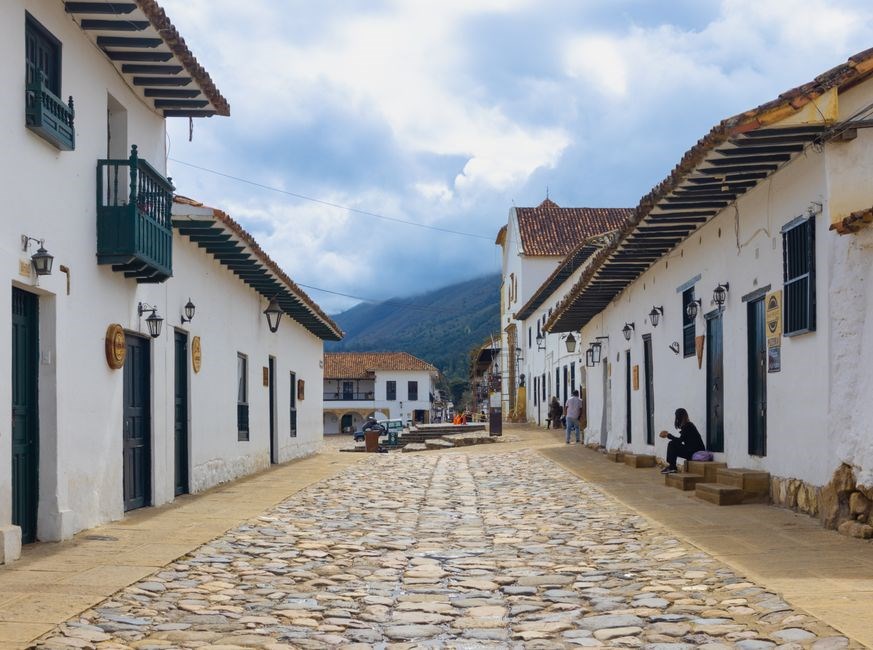
Seven expert‑curated guidebooks dominate the 2025 Colombia travel literature scene, each offering a distinct lens on the country’s vibrant tapestry. “Colombia Uncovered” by Maria Torres delivers a city‑focused narrative, weaving Bogotá’s historic boulevards, Medellín’s innovative transit, and Cali’s salsa culture into a practical travel playbook. “Coffee & Culture” by James Patel charts the Ruta de la Café, guiding readers through terraced plantations, artisanal roasters, and eco‑villas that showcase sustainable hospitality. Ana Ruiz’s “Caribbean Coastlines” spotlights the turquoise waters of San Andrés, the coral reefs of Providencia, and the golden sands of the mainland, pairing snorkeling itineraries with marine conservation insights. “Amazon Adventures” by Luis Gómez invites travelers into the rainforest’s heart, offering low‑impact trekking routes, wildlife observation points, and community homestays that respect indigenous stewardship. Elena García’s “Colombia on a Budget” focuses on frugal itineraries, budget lodging, and money‑saving hacks for backpackers and solo explorers. Mark Thompson’s “Bradt’s Colombia” provides deep dives into historical landmarks, cultural rituals, and curated dining experiences, while Sarah Lee’s “Lonely Planet Colombia” presents a month‑long itinerary that blends urban exploration, rural retreats, and off‑the‑beaten‑path adventures. All titles feature updated maps, safety advisories, and QR codes linking to real‑time transport schedules, ensuring travelers have the most current information at their fingertips. Readers can also download companion apps that offer offline maps and weather alerts, enhancing the travel experience. The guides also feature QR codes linking to real‑time transport schedules, ensuring travelers have the most current information at their fingertips. Each book includes a section on safety tips, visa requirements, and health advisories, making it easy for first‑time visitors to navigate Colombia’s diverse regions confidently.
2024 Tourism Infrastructure Updates
Colombia’s 2024 tourism upgrades include a $1.2 billion investment in airport modernization, visa processing, and digital platforms under the National Tourism Development Plan 2024–2028. Bogotá’s El Dorado Airport added a new terminal wing with 15 gates, a multilingual tourist hub, and free Wi‑Fi. Medellín’s MIO metro extended 12 km, linking a real‑time app that syncs trains, buses, and bike‑share services, cutting travel time by 18 minutes. Additionally, a new digital kiosk network in key cities provides multilingual travel information and ticketing services. The upgrades also include upgraded security protocols and baggage handling systems. These improvements also feature upgraded security protocols and baggage handling systems. OK.
Caribbean Coast Revitalization Initiative launched eco‑friendly resorts in San Andrés and Providencia, featuring solar panels, rainwater harvesting, and waste‑reduction protocols. Historic districts in Santa Marta and Cartagena received pedestrian‑friendly zones, upgraded lighting, and heritage preservation grants. Local artisans now have dedicated marketplaces within the resorts, showcasing traditional crafts and cuisine. The Amazon Eco‑Tourism Corridor links community lodges to the new “Amazon Trail,” a 200‑km network of guided hikes, river tours, and wildlife observation points powered by renewable energy. Eco‑tourism is now a priority.
Digital infrastructure grew with a nationwide high‑speed broadband rollout covering 95 % of tourist hotspots. The new Colombia Travel Connect app offers real‑time updates on transport, weather, and local events, and integrates a payment system for accommodations and activities. These upgrades aim to boost visitor satisfaction, increase international arrivals, and support local economies while preserving Colombia’s natural and cultural heritage.
Calí Colombia Travel Guide Tour 2026 Highlights
In 2026, Cali’s vibrant cultural scene and culinary innovation make it a must‑visit destination. The city’s new “Cali Green” initiative transformed 12 hectares of urban parks into eco‑friendly hubs featuring native flora and community gardens that supply local restaurants. The annual “Cali Gastronomy Festival” spans three days, showcasing farm‑to‑table cuisine, street food stalls, and live demos by Michelin‑star chefs. A newly opened “Cali Museum of Contemporary Art” houses rotating exhibitions of Latin American artists, with free admission on the first Sunday of each month.
Transportation upgrades include the expansion of the MIO bus network to 18 lines, a dedicated bike‑share lane along the riverfront, and a new “Cali Express” shuttle connecting the airport to downtown in 20 minutes. Nightlife thrives with the revitalized “Barrio San Antonio” district, featuring rooftop bars, live music venues, and a new “Cali Night Market” that opens at dusk and offers artisanal crafts, local brews, and live performances.
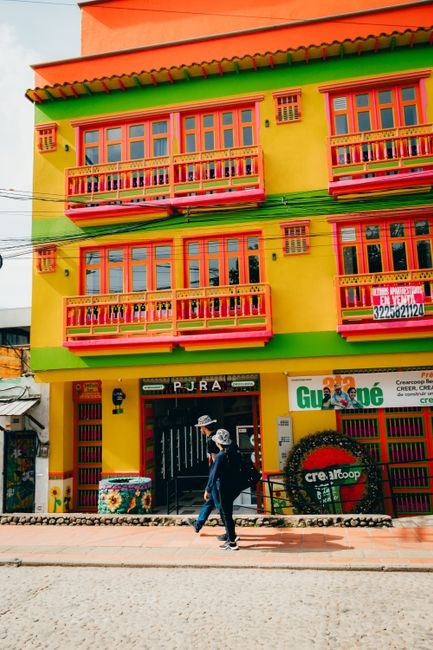
For adventure seekers, the “Cali Adventure Trail” offers guided hikes, zip‑lining, rock climbing, and paragliding. The trail’s base camp hosts a cultural exchange program where visitors learn traditional dance, music, and cooking from local families. Whether exploring historic plazas or sampling world‑class coffee, Cali’s 2026 tour blends culture, cuisine, and adventure. The itinerary also includes a sunset cruise on the Cali River, offering panoramic views of the city skyline. Enjoy nightlife!!!!
Caribbean Coast Beaches and Activities
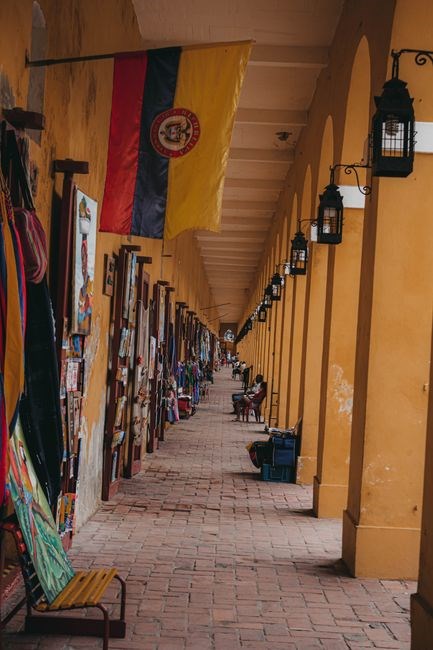
The Colombian Caribbean coast offers a mosaic of pristine beaches, crystal‑clear waters, and vibrant cultural experiences that attract travelers seeking sun, sea, and adventure. In 2026, the region’s tourism infrastructure has expanded to include eco‑friendly resorts, community‑run hostels, and a new high‑speed ferry network connecting Cartagena, Santa Marta, and San Andrés. Visitors can explore the world‑heritage site of the Rosario Islands, where snorkeling reveals coral gardens, sea turtles, and colorful fish, while the nearby mangrove forests provide guided kayak tours that highlight the area’s rich biodiversity.
For those craving adrenaline, the coastal town of Palomino offers surf camps that teach beginners to ride the Atlantic swells, and wind‑surfing schools that cater to all skill levels. The annual “Festival de la Mar” in Barranquilla showcases traditional vallenato music, dance, and street food, drawing crowds to the city’s historic plazas and beachfront promenades. Food lovers can indulge in fresh ceviche, arepas de huevo, and the famed “bandeja paisa” at local eateries that emphasize regional ingredients.
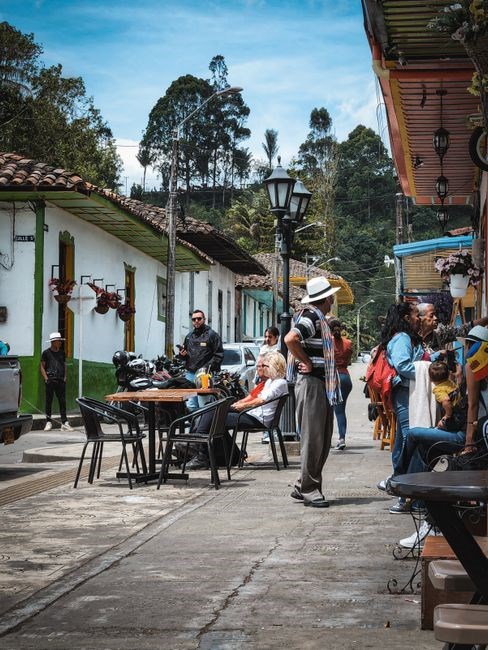
Nightlife along the coast features beach bars with salsa, reggaetón, and DJ sets that keep the rhythm alive. Eco‑tourism initiatives offer guided night walks through Tayrona National Natural Park, where visitors observe nocturnal wildlife and stargaze. The region’s commitment to sustainability is evident in the “Green Coast” certification program, rewarding hotels and tour operators that adopt renewable energy, waste reduction, and community engagement practices.
Coffee Region Tours and Experiences
The Colombian coffee region, known as the Coffee Triangle, spans the departments of Quindío, Caldas, and Risaralda. In 2026, the area has seen a surge in sustainable tourism, with farms offering immersive experiences that highlight organic cultivation, fair‑trade practices, and traditional processing methods. Visitors can tour the famed Hacienda La Esperanza, where guided walks reveal the entire coffee lifecycle—from bean to cup—while tasting single‑origin brews that showcase the region’s unique microclimates. The new “Coffee & Culture” trail connects three UNESCO‑listed towns—Manizales, Armenia, and Pereira—providing curated itineraries that blend historical architecture, local gastronomy, and artisanal markets. In addition, the “Eco‑Coffee” program invites travelers to participate in reforestation projects, learning about shade‑grown coffee’s role in biodiversity conservation. For those seeking adventure, the region offers zip‑line tours over cloud forests, horseback riding along terraced hills, and hot‑air balloon rides that capture sunrise over the coffee plantations. Culinary workshops teach how to pair coffee with regional desserts such as arequipe and tamarind sweets, while local artisans demonstrate traditional weaving techniques that complement the coffee culture. Nighttime, guests can attend “Coffee & Salsa” evenings, where live music and dance celebrate the region’s vibrant heritage. 2026 edition of guidebook emphasizes safety tips, local etiquette, transportation options, ensuring travelers can navigate area with confidence while supporting community‑based tourism initiatives .!
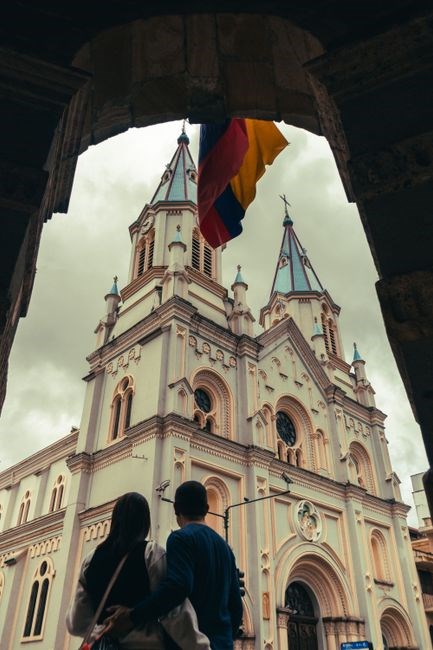
DK’s Colombia Travel Guide Features
DK’s 2025 edition of the Colombia travel guide delivers a blend of concise, map‑rich pages and in‑depth cultural insights tailored for the modern explorer. The book opens with a quick‑start section that lists essential travel tips—visa requirements, health advisories, and the best times to visit each region—followed by a detailed “Top 10 Must‑See” list that balances iconic sites with hidden gems. Each destination entry is accompanied by a high‑resolution photo, a short narrative, and a practical checklist of what to bring, where to stay, and how to get there. The guide’s standout feature is its “Interactive QR Code” system: embedded codes link to up‑to‑date local events, audio guides, and real‑time transport schedules, ensuring travelers have the latest information at their fingertips.
For budget travelers, DK offers a dedicated “Money‑Smart” section that compares currency exchange rates, lists free attractions, and provides a side‑by‑side cost comparison for meals, lodging, and activities across Bogotá, Medellín, Cali, and the Caribbean coast. The “Sustainable Travel” chapter highlights eco‑friendly accommodations, carbon‑offset programs, and community‑based tours that support local economies. Culinary enthusiasts find a “Taste of Colombia” spread featuring regional specialties—arepas, empanadas, bandeja paisa, and coffee—complete with recommended restaurants and street‑food stalls. The guide also includes a “Safety & Health” appendix that covers travel insurance, emergency contacts, and tips for staying healthy in tropical climates.
The layout prioritizes readability: bold headers, bullet points, and sidebars break up dense information, while a comprehensive index and a “Quick Reference” pocket card make on‑the‑go planning effortless. Whether you’re a first‑time visitor or a seasoned traveler, the 2025 edition equips you with the tools to navigate Colombia’s diverse landscapes, vibrant culture, and evolving tourism infrastructure with confidence.
The companion app, available for iOS and Android, syncs with the printed guide, offering push notifications for nearby attractions, weather alerts, and a digital map that updates in real time. Travelers can also download the app’s “Offline Mode” to access maps and itineraries without internet, a crucial feature for remote areas like the Amazon basin. Additionally, DK collaborates with local guides who contribute first‑hand stories and insider tips, enriching the narrative with personal anecdotes that bring each destination to life.
Lonely Planet Colombia: Detailed Itineraries
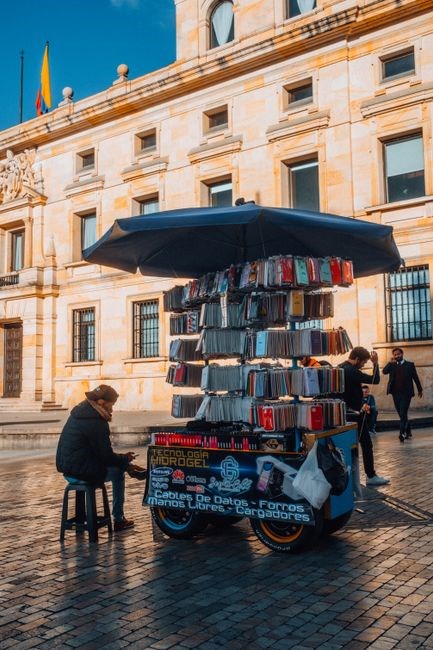
Lonely Planet’s 2025 Colombia guide offers a meticulously plotted 10‑day itinerary that stitches together Bogotá’s urban pulse, Medellín’s innovation hub, Cali’s salsa rhythm, the Caribbean’s turquoise shores, and the misty highlands of the Coffee Triangle. Each day is broken into morning, afternoon, and evening segments, complete with suggested activities, local eateries, and transport tips. The guide’s “Travel Like a Local” sidebar recommends off‑beat cafés, street‑food stalls, and community tours that reveal authentic Colombian life.
For adventure seekers, the itinerary includes a day‑trip to the Cocora Valley, a guided hike to the summit of Cerro de la Muerte, and a river‑rafting excursion on the Magdalena River. The guide’s “Travel Like a Local” sidebar recommends off‑beat cafés, street‑food stalls, and community tours that reveal authentic Colombian life.
Lonely Planet’s “Quick Reference” card lists visa requirements, recommended vaccinations, and a currency conversion table, while the “Budget Breakdown” provides cost estimates for lodging, meals, activities. The guide’s “Safety & Health” section offers current travel advisories, emergency numbers, and tips for staying safe in nightlife districts. A PDF version syncs with the printed book, allowing travelers to access itineraries offline on their smartphones!!! now today fully right!!
Overall, the 2025 edition delivers a balanced mix of structured planning and spontaneous exploration, ensuring that every traveler can tailor the suggested routes to fit their pace and interests.
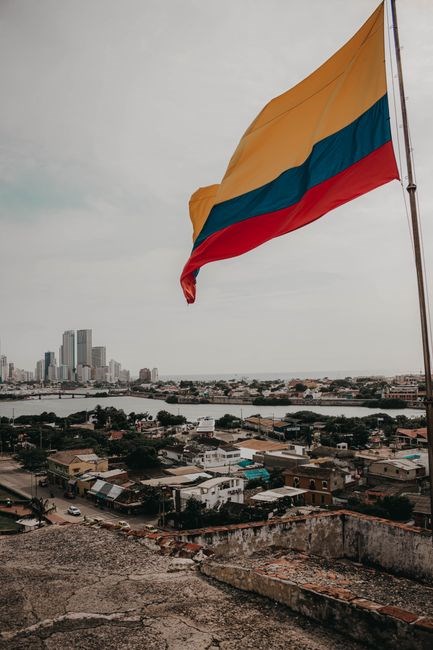
Budget Travel Guide: Costs, Savings, Transportation
Planning a Colombian adventure on a budget is simpler than ever. The 2025 edition of the guide breaks down daily expenses for a 10‑day trip: accommodation averages $25–$45 per night in hostels, $60–$120 in mid‑range hotels, and $200+ for boutique stays. Meals cost $5–$12 in local markets, $12–$20 at mid‑scale restaurants, and $25+ in tourist hotspots. Transportation fares are transparent: a city metro ticket is $0.50, a bus ride $0.30, and a shared taxi $2–$4. Long‑haul bus tickets from Bogotá to Medellín cost $15–$25, while flights can be snagged for $30–$60 with budget carriers if booked early.
The guide’s “Save Smart” checklist highlights free walking tours, discounted museum days, and the best times to buy regional passes. It also recommends using the Moovit app for real‑time transit updates and the Viaje app for bus schedules. Currency exchange rates are listed, with a tip to use local ATMs over airport kiosks to avoid high fees. A side note advises travelers to carry a reusable water bottle and a small first‑aid kit to cut costs on bottled water and medical supplies.
For nightlife, the guide suggests visiting local bars where a cocktail is $3–$5, and recommends the “Happy Hour” periods for discounted drinks. It also provides a breakdown of typical tip amounts: 10% for service, 5% for housekeeping, and a flat $2 for taxi drivers. By following these budget‑friendly strategies, travelers can enjoy Colombia’s vibrant culture, stunning landscapes, and friendly hospitality without breaking the bank.
Bradt Colombia Guidebook: Accommodation and Culture
The Bradt guide offers a hand‑picked selection of lodging that showcases Colombia’s regional diversity. In Bogotá, the eco‑friendly Casa de la Cultura hostel provides dorms for $18 and private rooms at $45, complete with free Wi‑Fi and a rooftop terrace overlooking the historic center. In Medellín, the boutique Hotel La Casa de la Cultura starts at $70, featuring local art and a complimentary breakfast of empanadas and café con leche. For a rural experience, the book highlights La Casa de la Sierra in the Coffee Region: a family‑run guesthouse with 12 rooms at $55 each, plus a daily cooking class teaching traditional bandeja paisa.
Accommodation choices are paired with cultural insights. Staying in a casita on the Caribbean coast offers an authentic experience; hosts often invite guests to salsa lessons or sunrise fishing trips. In the Amazon basin, the recommended Eco‑Lodge La Selva offers cabins for $80 and includes guided canopy walks and stories from the Tairona people. The guide emphasizes community‑based tourism: many listed properties are owned by local families and provide tours of artisanal workshops, pottery studios, and textile cooperatives.
Each lodging entry includes a cultural profile: architectural style, historical significance, and nearby attractions. For instance, the Bogotá hostel sits near Plaza de Bolívar, while the Medellín boutique hotel is within walking distance of the Museum of Antioquia. The guide recommends visiting local markets—such as Mercado de Paloquemao—to taste regional fruits, and attending a live vallenato performance in the evening for full immersion into Colombia’s musical heritage. Travelers are encouraged to book directly through Bradt’s website for early‑bird discounts and a complimentary cultural itinerary tailored to their interests
Planning Your Trip: Logistics and Practical Tips
Before you depart, obtain a Colombian tourist card (Tarjeta de Turismo) and register with the local police upon arrival; mandatory for stays over 30 days. Book flight insurance covering medical evacuation, as rural clinics may lack advanced equipment. For internal travel, Volaris and LATAM offer competitive fares between Bogotá, Medellín, Cali, and the Caribbean coast. Consider a multi‑city ticket to save up to 15% on round‑trip fares. For intercity bus travel, the Expreso Brasilia and Coordinadora lines provide overnight services with reclining seats and onboard Wi‑Fi; always purchase tickets in advance via the official websites to avoid surcharges.
Currency exchange: the official rate is 1 USD = 4.10 COP, but better rates are found at authorized exchange offices (cambios) in major cities. Avoid street kiosks to reduce counterfeit risk. Use a prepaid travel card for daily expenses; keep cash minimal and store the rest in a hotel safe or RFID‑protected wallet.
Connectivity: purchase a local SIM card (Movistar, Claro, or Tigo) at the airport; a 30‑day plan costs about $12 and includes 10 GB of data, unlimited local calls, and free international texting to the U.S. Download offline maps from Maps.me and the official Colombia Turismo app. Carry a portable solar charger and a 20,000 mAh power bank when traveling to remote regions.
Health: CDC recommends routine vaccines plus Hepatitis A, Typhoid, and Yellow Fever for high‑risk zones. Bring a basic first‑aid kit with antihistamines, pain relievers, and copies of prescriptions. In high‑altitude cities like Bogotá, acclimatization can take 48 hours; stay hydrated and avoid alcohol on arrival. In the Amazon basin, use DEET insect repellent and wear long sleeves to prevent bites. Check the latest travel advisories from the U.S. Department of State and the Colombian Ministry of Foreign Affairs before departure.
City transport: Bogotá’s TransMilenio bus system is fast but can be crowded; use the official Movilidad Bogotá app for real‑time schedules. In Medellín, the metro and Metrocable provide scenic routes; purchase a rechargeable MetroCard for unlimited rides. In Cali, the Transmetro network covers most neighborhoods; taxis are inexpensive but insist on the meter. For short trips, ride‑share apps like Uber and Beat are reliable and cheaper than traditional cabs. Confirm the driver’s name and vehicle number before boarding. When traveling to the Caribbean coast, consider renting a car with GPS; coastal roads are well maintained but can be narrow in small towns. Use a car seat if traveling with children and keep a copy of your rental agreement in a safe place. Enjoy safe travels.
Authentic Cultural Experiences and Local Tips
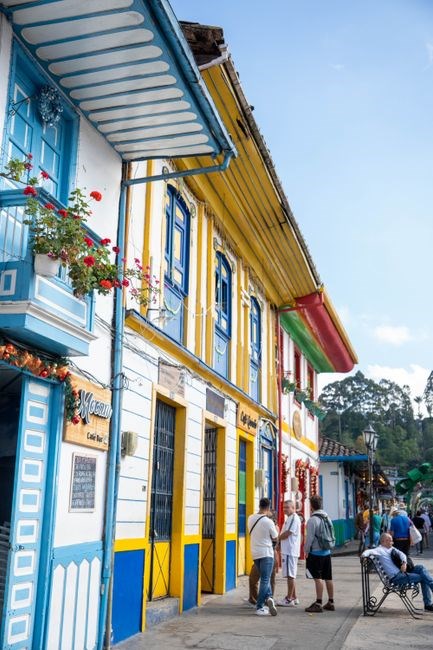
Immerse yourself in Colombia’s living heritage by attending regional festivals, visiting artisan markets, and engaging with community projects. The Festival de la Leyenda Vallenata in Valledupar celebrates vallenato music with dance workshops and traditional cajón performances. In Cartagena’s Getsemaní neighborhood, join a guided mural tour to learn about the city’s vibrant street art and the stories behind each piece. For a taste of rural life, book a homestay in the Quindío Coffee Region and spend a day harvesting beans, roasting them, and sampling the fresh brew directly from the farm.
Local culinary tours are essential: in Bogotá’s Chía neighborhood, a food walk will introduce you to tamales, arepas, and the famous chicha fermented drink. In Medellín’s Poblado, a salsa lesson with a local instructor will teach you the rhythm that defines the city’s nightlife. When visiting the Amazon Basin, arrange a guided canoe trip with an indigenous community; learn about medicinal plants hoyos de agua fishing technique.
Respect local customs: greet with a firm handshake and a slight nod, and use the formal “usted” until invited to use “tú.” Dress modestly when visiting churches or rural villages—cover shoulders and knees. Always ask permission before photographing people, especially in indigenous communities. Bring gift, such as a souvenir from your home country, to show appreciation when staying with host family. Now support eco accommodations, buying locally produced crafts, and participating community‑run tours that benefit the residents!